Entry · Ref TNSY6YJZ
What information do technicians need when testing a pool for leaks?
- Posted
- 2026-11-25
- Last amended
- 2026-11-25
- Account
- @backyardpoolguide
Before a technician can accurately test a swimming pool for leaks, they need a clear picture of the pool's structure, its equipment, and the conditions that affect water loss. Without this information, the testing process can become guesswork, leading to inconclusive results or an incomplete repair estimate. The more detail a pool owner can provide upfront, the more efficient and precise the leak detection work will be.
Basic pool dimensions and water capacity
The first thing a technician will want to know is the size and shape of the pool. This includes the length, width, average depth, and total water volume in gallons or litres. The volume directly affects the water loss rate that the technician will measure during the test. A small spa loses water at a different rate than a large commercial pool, so the same loss of an inch per day means something very different depending on the pool's size. Knowing the volume also helps the technician decide which testing method and equipment will work best. For instance, a leak analyzer designed for large bodies of water might be overkill for a small plunge pool, while a simple bucket test might not be sensitive enough for a huge lagoon-style pool.
Pool structure and materials
The construction of the pool matters a great deal. Is it a gunite or shotcrete shell, a vinyl liner, or a fibreglass pool? Each material has its own common leak points. Gunite pools often develop cracks in the shell or at the tile line, while vinyl liners can tear at the seams or around fittings. Fibreglass pools may suffer from delamination or stress cracks. The technician needs to know the surface material to choose the right detection tools and to avoid damaging the pool during the test. For example, pressing a listening disc against a vinyl liner requires a different technique than pressing it against plaster. The age of the pool and any known repair history also help the technician focus on high-risk areas.
Equipment and plumbing layout
An underground plumbing leak is one of the hardest problems to diagnose, so the technician needs a clear picture of the pool's circulation system. This includes the location of the pump, filter, heater (if present), and all valves. A diagram or even a rough sketch of the equipment pad helps the technician understand how water flows through the system. They also need to know the number and location of return jets, skimmers, drains, and any water features such as waterfalls or fountains. Each of these components can leak, and each must be isolated during the testing process. The technician will want to know the type of pipes used (PVC, copper, or flexible hose) and the depth of the underground lines, if known. The condition of the equipment is also important. A worn pump seal or a faulty filter o-ring can mimic a leak in the underground plumbing, so the technician will check those parts as part of the inspection scope.

Recent water loss history
The pool owner should have a rough idea of how much water the pool loses over a set period, such as over a week or during a hot day. This information gives the technician a baseline water loss rate before they begin their own measurements. It also helps them decide whether the leak is likely small and slow or large and fast. The owner should also note any changes in the water level that seem linked to the pump running or to heavy rain. For example, if the pool loses water only when the pump is on, the leak is probably in the pressure side of the plumbing. If the loss happens even with the pump off, the leak may be in the shell or the suction side plumbing. The technician can use this history to choose the right testing equipment and to plan the sequence of tests.
Another useful detail is whether the pool has recently been filled or topped up, and whether any chemicals have been added. Chlorine levels, pH, and total alkalinity can affect how the water behaves and how the testing equipment reads. High chlorine can damage some leak detection tools, so the technician may ask the owner to wait before adding more chemicals. The owner should also mention any recent maintenance work, such as a filter change or a new pump installation, because that work can disturb the plumbing and cause a new leak.
Access points and site conditions
The technician needs to know how easy it is to reach the pool and its equipment. Are there gates, stairs, or obstacles that limit access? Is the equipment pad clear of debris and plants? The condition of the surrounding area matters because leak detection often involves moving heavy equipment around the pool. The technician will also need to know whether the pool has a cover and whether it can be removed. A solar cover or a winter cover can hide the water surface and make visual inspection difficult. The pool's location relative to the house and other structures is also important, because underground plumbing often runs under patios, decks, or driveways. The technician may need to plan for a pressure test of the underground plumbing, which requires cutting into the pipe and later repairing it, so they need to know where the access points are and what surface lies above the pipes.
Seasonal conditions also play a role. Testing a pool for leaks in winter when the water is cold and the ground is wet is very different from testing in summer when the water is warm and the soil is dry. The technician needs to know the current water temperature and the recent weather history. Cold water can cause pool surfaces to contract, opening cracks that may not leak in warm weather. Rain can raise the groundwater level and change the pressure on the pool shell, making a marginal leak worse. The owner should provide this context so the technician can interpret the test results correctly.
The scope of the inspection
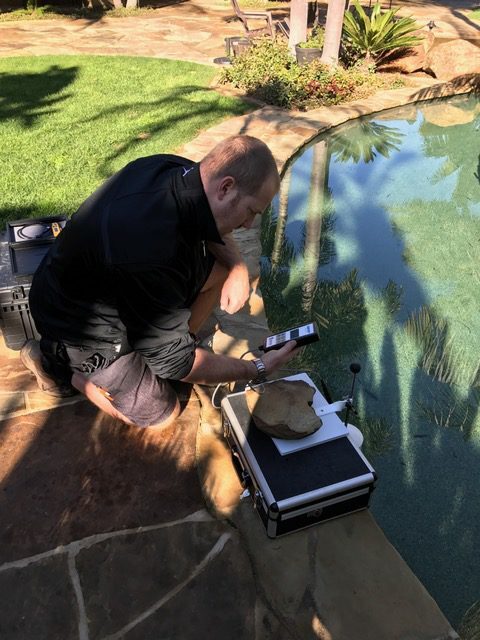
Not every leak detection job is the same. The technician needs to know what the pool owner expects from the test. Is the goal simply to confirm a leak exists, or does the owner want a precise location of the leak so it can be repaired? Some tests are quick and simple, such as the bucket test or the dye test, and they give a general idea of water loss. Other tests, like pressure testing of the plumbing lines or using a leak analyzer that traces sound or gas, are more thorough but take more time and equipment. The owner should be clear about whether they want a full inspection scope that covers the shell, the plumbing, and the equipment, or a limited check of one area. This helps the technician bring the right tools and quote an appropriate repair estimate.
If the pool is part of a larger property with multiple water features, the technician may need to test them separately. A spa that shares a filter with the pool can confuse the results if the spa is leaking. The owner should mention any connected bodies of water and how they are plumbed. The same goes for fountains, waterfalls, and slide basins. Each has its own plumbing and its own potential leak points.
Putting it all together
When a pool owner gathers all this information before the technician arrives, the testing process runs smoothly and the results are more reliable. The technician can focus on the likely problem areas instead of spending time on guesswork. The owner also gets a clearer repair estimate because the technician knows what they are dealing with from the start. For pool owners in San Diego who want professional leak detection, Swim Care Pool Services provides specialized leak detection for residential and commercial swimming pools, spas, and related plumbing. They work with pool owners to understand the pool's history and structure before starting the test, which leads to faster and more accurate results. Having the right information ready is the first step in getting a pool back to holding water properly.

In short, the technician needs to know the pool's dimensions, construction material, equipment layout, water loss history, access conditions, and the owner's expectations. Each piece of information narrows the possible leak locations and saves time. A little preparation on the owner's part makes the whole process easier for everyone. When you call a leak detection service, ask what details they need from you. A good service, such as Swim Care Pool Services, will tell you exactly what to look for and how to prepare. That conversation alone can save hours of work on the day of the test.